
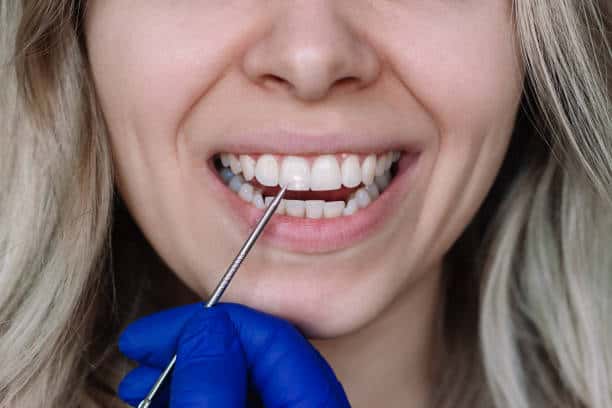
Fluoride Treatments in Holland: Do Adults and Kids Really Need Them?

For something that has been used in dentistry for decades, fluoride still inspires plenty of questions. Is it only important for children? Do adults need professional fluoride treatments if they already use fluoride toothpaste? And is fluoride actually safe?

At Huisman Family Dentistry, we believe patients deserve clear, straightforward answers about the care we recommend. Let’s take a closer look at how fluoride protects your teeth, who can benefit from professional treatments, and whether they may be worthwhile for you or your child.

What Fluoride Does for Teeth

Every day, the enamel protecting your teeth loses and regains minerals. Acids from bacteria, foods, and drinks can pull important minerals from the enamel, leaving it weaker and more vulnerable to cavities. Fluoride helps replace those minerals and strengthens the enamel through a process called remineralization.

Fluoride can also make teeth more resistant to future acid attacks and may even help reverse the earliest stages of tooth decay before a cavity fully develops. Think of it as added reinforcement for the outer layer of your teeth—not a replacement for brushing, flossing, or regular dental visits, but another valuable form of protection.

Who Benefits Most from Fluoride Treatments

Children often benefit from fluoride treatments while their teeth are still developing and they are learning consistent brushing habits. Strengthening their enamel during these cavity-prone years can give their smiles an added layer of protection.

Fluoride is not just for kids, however. Adults with sensitive teeth may find that it helps reinforce weakened enamel and reduce discomfort. We may also recommend professional fluoride treatments for patients who frequently develop cavities, have dry mouth, wear braces, experience gum recession, or take medications that increase their risk of tooth decay.

Your dentist can evaluate your oral health, habits, and cavity risk to determine whether fluoride treatment would be helpful for you or your child.

Fluoride Safety and Myths Explained

It is understandable to have questions about any treatment used for you or your child. One common concern is whether fluoride is safe. When used in the appropriate amount, fluoride is considered a safe and effective way to help prevent tooth decay. Professional treatments are carefully measured and applied directly to the teeth under a dentist’s supervision.

You may also have heard that fluoride is unnecessary if you brush regularly. Fluoride toothpaste is an important part of daily care, but professional treatments contain a higher concentration and provide additional protection for patients with a greater risk of cavities or enamel damage.

As with many treatments, fluoride is not one-size-fits-all. Your dentist will consider your age, oral health, and individual risk factors before recommending it.

FAQs About Fluoride

Is Fluoride Safe for Children?

Yes. Fluoride is safe for children when it is used in the correct amount. Professional treatments are carefully measured and applied by a dental provider based on your child’s age and oral health needs.

Do Adults Still Need Fluoride?

Many do. Adults who frequently develop cavities, have sensitive teeth, experience gum recession, or have dry mouth may benefit from additional fluoride protection. Your dentist can help determine whether it makes sense for you.

Can Fluoride Reverse Cavities?

Fluoride may help reverse tooth decay in its earliest stage by restoring minerals to weakened enamel. Once decay has created a physical hole in the tooth, however, fluoride cannot repair it, and the cavity will need dental treatment.

Fluoride Treatments in Holland

Fluoride treatment is a quick, simple way to give vulnerable teeth extra protection against decay. At Huisman Family Dentistry in Holland, we can evaluate your or your child’s cavity risk and recommend fluoride only when it offers a meaningful benefit.

Wondering whether fluoride should be part of your family’s dental care? Contact our office today to schedule an appointment.
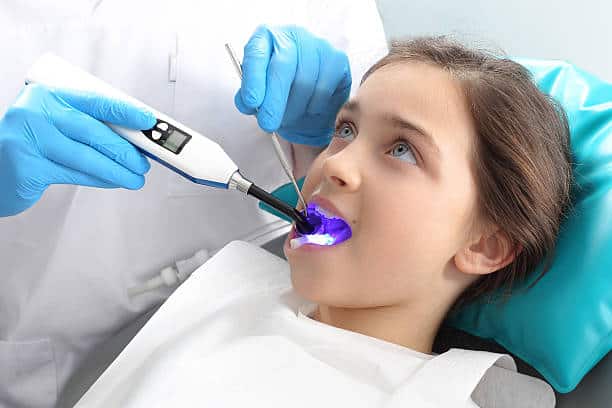

Dental Sealants for Kids and Adults in Holland: Are They Worth It?

Even with careful brushing, the deep grooves in your back teeth can be difficult to keep completely clean. Food particles and cavity-causing bacteria can settle into these tiny spaces, where toothbrush bristles may not always reach.

Dental sealants provide an extra layer of protection by covering those grooves with a thin, smooth coating. At Huisman Family Dentistry, we often describe sealants as a protective shield that helps keep food and bacteria away from cavity-prone areas. They are most commonly recommended for children, but some adults can benefit from them as well.

What Dental Sealants Are and How They Work

Dental sealants are thin, protective coatings applied to the chewing surfaces of the back teeth. Molars and premolars naturally have small pits and grooves that can trap food particles and bacteria, even when you brush carefully.

A sealant flows into these hard-to-clean spaces and hardens to form a smooth protective barrier. By keeping cavity-causing bacteria and food debris out of the grooves, sealants can reduce the risk of tooth decay. They do not replace brushing, flossing, or routine dental visits, but they provide extra protection where teeth are often most vulnerable.

Who Should Consider Dental Sealants

Children are often good candidates for dental sealants as soon as their permanent molars come in, typically around ages six and twelve. Protecting these teeth early can help prevent cavities while children are still developing consistent brushing habits.

Teenagers may also benefit, especially if their molars have deep grooves or they have a history of tooth decay. Although sealants are commonly associated with younger patients, cavity-prone adults can be candidates too. Adults with healthy molars that do not already have fillings or decay may benefit from added protection in difficult-to-clean areas.

Your dentist can examine your teeth and recommend sealants based on your age, dental history, and individual cavity risk.

How Long Dental Sealants Last

Dental sealants can protect teeth for several years, but they may gradually wear down from everyday chewing. Their lifespan can vary depending on their placement, your bite, and habits such as grinding or clenching your teeth.

During routine dental visits, your dentist will check the sealants for signs of wear, chipping, or separation from the tooth. If a sealant becomes damaged or worn, it can usually be repaired or replaced quickly. Regular checkups help ensure that sealants continue providing effective protection.

FAQs About Dental Sealants

Are Sealants Only for Children?

No. Although sealants are most commonly recommended for children and teenagers, cavity-prone adults may benefit from them too. Your dentist can determine whether the chewing surfaces of your teeth are suitable for sealants.

Do Sealants Replace Brushing?

No. Sealants protect the grooves of the back teeth, but they do not cover every tooth surface. Brushing twice a day, flossing daily, and attending regular dental visits are still essential for preventing cavities and maintaining a healthy smile.

Can Sealants Fall Off?

Sealants can occasionally chip, wear down, or come loose, particularly after years of chewing. Your dentist will monitor them during routine checkups and can repair or replace a damaged sealant when necessary.

Prevent Cavities with Dental Sealants in Holland

Dental sealants offer a simple, comfortable way to protect cavity-prone teeth. At Huisman Family Dentistry in Holland, we can evaluate your or your child’s smile and determine whether sealants would provide worthwhile protection.

Contact our office today to schedule an appointment and learn how dental sealants can help keep your family’s smiles healthy.

These Reviews
Have Us Smiling!

Are you curious about what makes Huisman Family Dentistry stand out?

Don’t just take our word for it—check out the rave reviews from our happy patients!

Join Our Ranks of Happy Patients Today!