“How Do I Pick the Right Holland Dentist for Me?”

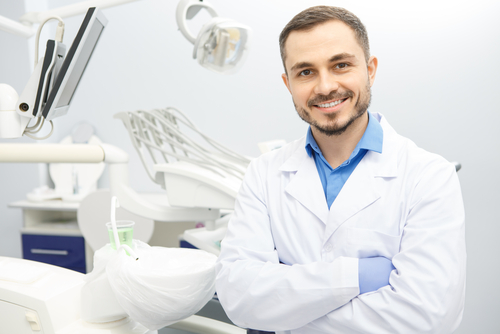
smiling male dentistThere are a variety of reasons you may be searching for a new dentist in Holland. Perhaps you’ve just moved to our area, maybe your former dentist is retiring, or possibly you’re considering a second option. No matter the reason why, embarking on the search for the right dentist isn’t an easy task. After all, you’re looking for someone you will feel comfortable with and who you can trust with your smile and health. Consider the following tips during your search to ensure you’re picking the right dentist to meet your individual needs.

Ask Around

The best place to start your search for a new Holland dentist is to talk with your friends, family, and coworkers. Ask around and gather the names of a few practices you can take a closer look at. Talk with the trusted people in your circle to find out what they like about their dentists and compare what they say to what you’d like in a dental team. It’s also wise to hop online to check out the practice’s available services, get to know a bit about the doctor, and to get an idea of the office personality.

Pick Up the Phone

Once you’ve compiled a list a few options from your friends and family, give each office a call. The first phone call can give you some insight into the personality of the practice and provides you the opportunity to ask some valuable questions. Consider asking questions such as what you should expect during your first visit, how the office handles finances, and the level of training of the staff. Following these calls, you should have a good idea of which dental office in Holland stands out and who may be the right fit for you and your family.

Schedule a Visit

Making an initial visit with your top choice is a great way to get to know the office and the dentist in person. Schedule your new patient appointment and get into the office and into the dental chair. You’ll know pretty quickly if you feel comfortable, get along with the team, and if the dentist’s personality complements yours. Physically visiting a dental office can help you see for your own eyes whether the office in clean, the team is friendly and compassionate, and if you receive the type of care you’re looking for. After this initial visit, you should have a good idea if this is the dentist for you.

Every dentist is different and practices in slightly different ways. Because of this, not every dentist is the right fit for everyone, so it’s beneficial for you to do your research and consider your options when looking for a new dental home.

Whether you’re new to the area or if you’re just in need a of new dentist, we always welcome you to give our Holland dental office a call. We’ll be sure to answer any questions you may have, schedule a prompt appointment if desired, and get you on your way to healthy smile.


5 Things Every Dental Patient Should Know

dentist explains to patientThe team at our dental office in Holland is dedicated to caring for our patients’ smiles, both while they’re in the office and in between appointments. We’re also focused on educating our neighbors about oral health so we can do our part in creating a healthy community. In this blog, we want to cover some of the top things that are most important for our patients to know. Check them out…

A proper oral hygiene routine at home is just as important as your bi-annual dental appointments.

We typically recommend our patients visit us at least two times a year to have a dental checkup, professional cleaning, and sometimes digital x-rays. These appointments allow us to remove any plaque or tartar that may have built up since your last visit as well as monitor your oral health so we can catch and treat problems early. But these bi-annual visits are only half of what it takes to keep a mouth healthy. The American Dental Association (ADA) and your dentist in Holland recommend brushing your teeth twice a day, everyday, with a soft-bristled toothbrush and using gentle circles. It’s also critical to floss once a day to remove food particles and plaque from between teeth.

There’s such a thing as too much brushing.

Scrubbing your teeth may seem like a good idea, after all, brushing harder must remove more plaque, right? Not necessarily. Brushing your teeth roughly can remove food particles, bacteria, and plaque, but it will also damage gum tissue and eventually cause it to recede. Once gum tissue recedes, the teeth appear longer and sensitivity tends to increase, making it difficult to enjoy some of your favorite cold or hot treats.

Sugary sweets aren’t the only foods that can cause cavities.

A commonly known fact is that a diet full of sugar typically results in more cavities. But a misconception is that sugar is the only cavity culprit. The truth is, many foods can affect oral health and contribute to decay. For example, foods high in carbohydrates like bread, pasta, and pretzels can feed bacteria in the mouth and cause cavities. Carbohydrates break down into simple sugars when eaten. Bacteria then feed on these sugars and eliminate an acidic byproduct. This acid then eats away at the protective tooth enamel, leaving teeth exposed to decay.

Bleeding gums are NOT normal.

Many people think that seeing a bit of blood in your sink as you brush or floss your teeth is normal. The truth is, no amount of blood is normal. Bleeding gums can be one of the first signs of gum disease… which is a serious oral health problem that may not only lead to tooth loss, but can also affect the rest of the body. Gum disease has been linked to several systemic problems including diabetes, stroke, and heart disease.

Dry mouth can be a big problem.

We’ve all experienced some form of dry mouth before, whether as a result of being dehydrated or as a chronic issue. Having dry mouth that doesn’t go away could be dangerous for your overall oral health. A dry mouth is a sign that your body isn’t producing enough saliva to keep the mouth moist and rinse away bacteria. Without saliva there to do its job, bacteria is left to linger around, produce acid, and cause cavities.

If it’s time for your bi-annual dental cleaning and exam, call our Holland dental office to schedule an appointment.

Start This School Year with a Healthy Smile

back to school babyAs we all gear up to head back to school, loading up on folders, notebooks, pencils, and backpacks, the team at our dental office in Holland wants to send a friendly reminder to our patients and neighbors about the importance of getting your child (or yourself) to the dentist before school starts.

Dental Checkups Help with Overall Health, Too

While we encourage all of our patients to see us at least biannually, we also like to see them prior to starting a new school year. Visits to your dentist in Holland not only help keep smiles healthy, they also help keep whole bodies healthy. Poor dental health has been linked to:

In fact, the National Institutes of Health reported that 20-30% of children have chronic health conditions due to oral health. Regular dental exams and cleanings are key in catching any problems, or potential problems, early to avoid these serious diseases. It may also be recommended that your child receive protective sealants to aid against decay and cavities.

Keep Kids in School

It’s our goal to keep kids healthy and in school so they can learn, thrive, and get good grades. However, recent research has suggested that poor oral health has been linked to poor grades. According to the American Journal of Public Health Dentistry, children in elementary school missed 6 days of school on average each year. Of those 6 days, 2 of them were because of dental problems. As we all know, when kids aren’t attending class, they’re missing key elements of their education. What’s more, when they’re in pain due to a toothache brought on by a cavity, their ability to pay attention to lessons diminishes.

Hygiene at Home

Back to school dental visits are a great preventive step to ensure your child is starting the school year off healthy. But a good hygiene routine at home is equally important. Make sure your child is brushing every morning (after breakfast!) and every night for two minutes each time. Also, don’t forget to have them floss once a day.

Following a proper hygiene routine and maintaining appointments with our Holland dental office can keep you and your child smiling and in good health all the way through to summer break.

If you’re looking for a Holland dentist, schedule an appointment today!

What Your Teeth Are Trying to Tell You

young woman smiling Did you know that your teeth actually tell a fairly accurate, somewhat detailed story about who you are? They can give away your age, your hygiene habits, and so much more. At our dental office in Holland, we love meeting and treating smiles of all ages for this very reason. Now let’s take a moment to find out what your teeth are trying to tell you!

What’s Your Dental Identity?

The way your teeth are shaped and even positioned can reveal the details about your personal dental identity. Here’s how it all breaks down:

  1. Central Incisors – These bad boys are always front and center acting as your front teeth. They also reveal your age. Younger people tend to have rounded corners on their incisors, while the other generation will have short more square-shaped teeth.
  2. Lateral Incisors – Meet your front tooth’s next door neighbor! Like the rest of your teeth, they need to look good and function well help you break down food and stay healthy. Did you know they also reveal your gender? Our Holland dental office has found that these teeth tend to be more rounded in women while men’s laterals are square and long.
  3. Canines – Last but not least are your canines! They’re next to your laterals and, while their name may suggest otherwise, should not resemble the fang-shaped teeth commonly found on our furry friends. It’s been said that these teeth have the ability to tell someone about your personality, depending on their unique shape. Pointier, longer teeth can signify aggression. Flattened or rounded tips show passiveness. Smaller teeth can indicate shyness.

Are Your Teeth Feeling The Grind?

Do you grind your teeth? Do you maybe grind your teeth in your sleep and not even know you’re doing it? Well, if so your teeth can tell the truth! Grinding or bruxism is usually a sign of stress, anger, and anxiety. Your teeth may be showings signs of wear such as chips or breakage, this could mean you’re grinding whether or not you even know you’re doing it!

Aside from personality traits, gender, or habits, your smile really does say so much about who you are. That’s why your dentist in Holland wants to make sure your teeth are always healthy and functioning at peak performance. Do you have questions about what your teeth may be trying to tell you, or just want to learn more? Give us a call!

“It’s Been Awhile Since I’ve Seen The Dentist. What Do I Need to Know?”

anxious woman in dental chair Whether it’s been a couple of months, a couple of years, or even a couple of decades since you’ve seen your dentist in Holland, please know you’re not alone. We see patients frequently who are hesitant to schedule an appointment just because it’s been such a long time since they were seen by a dentist. Having a gap (big or small) between appointments is more common than you think and we’re here to let you know what to expect your first visit back so you can feel comfortable!

There’s No Time Like Right Now

There are a number of reasons why patients put off visiting our Holland dental office. Sometimes it’s due to insurance. Other times patients put off making an appointment because of a bad experience with a previous dental health care provider. Maybe life is just too busy or hectic and it’s just not something you think about until you have an issue. Please know it’s never too late to get a checkup and learn more about your oral heath. In fact, the sooner you come see us, the better!

“What Can I Do To Prepare for My First Appointment?”

Don’t be nervous! We’re here to help and are excited to welcome both new and returning patients into our dental family. It’s always a good idea to arrive a little early to make sure the necessary paperwork is in order. (And it gives you a few minutes to meet all the friendly folks who work in the office.) Be sure to jot down all of the current medications you’re taking and also any questions you may want to ask.

“What Can I Expect at The Exam?”

No matter how long it’s been since you’ve seen the dentist, every patient will receive a thorough exam and x-rays. This information is crucial because it allows for a more personalized assessment of your oral health. We will also check the status of your gums to look for any indication of disease. Things like broken or missing teeth, cavities, etc. are relatively common and we simply chart everything to make sure we have a clear picture of any immediate and possible future treatment needs. Your exam is also a good time to let our dental team know about any other issues we should be aware of such as aches, pains, clenching, grinding, etc.

We’re positive that once you’re in our dental office in Holland, you’ll feel right at home. There’s no better time to take charge of your oral health so you enjoy better overall health too. If you have any questions or concerns, please don’t hesitate to give us a call! We can’t wait to see you.

Top 6 Worst Foods For Teeth

biscotti Food is such an important part of our lives. Not only is it crucial for our health, it’s historically pretty important for our relationships too. We meet friends over dinner, we snack on the couch with loved ones while watching a movie, and we even join blind dates for a cup coffee. At our dental office in Holland, we understand the importance of food and really enjoying what you eat. But we also know how some foods can damage teeth. For this blog, we’ve compiled some of the top types of food that are the worst for teeth.  

  • Biscotti – This Italian treat is known for its hard, crunchy texture which is why it’s usually eaten after being dunked in a beverage. However, this difficult to bite biscuit can cause cracks or chips if it’s too hard.
  • Popcorn – A movie watching favorite, the dangers of popcorn lurks in the often unseen kernels. A quick, hard bite onto one of these hard kernels can chip teeth or destroy restorations.
  • Pitted Treats – Snacks like olives sometimes contain a hidden pit. Again, like the culprits above, an accidental nibble of a pit can cause some serious tooth damage.
  • Chewy Candy – Candy in general is typically bad news, but chewy ones can be the worst of all. Due its sticky nature, the sugar-loaded sweet is left clinging to teeth for prolonged periods of time and it can also dislodge fillings.
  • Ice Cubes – These frozen cubes of water can be used to chill a beverage or even for an injury, but they shouldn’t be eaten. Hard ice can not only break teeth, they also create tiny cracks that leave the enamel open to bacteria and, in turn, cavities.
  • Bones – While we don’t tend to choose bones to eat or to gnaw on, they are found in several foods. Some bones are easy to see and we can usually avoid those, but some bones aren’t noticed until it’s too late. Be cautious when eating stews, certain types of fish, or chicken.

While we’d love our patients to avoid these foods altogether in order to greatly reduce the risk of dental damage, we understand that’s unrealistic. Instead, we’d be happy if they just used a bit of caution while enjoying the treats above. More importantly, if something were to happen while chowing down, we want to encourage them to schedule an appointment at our dental office in Holland as soon as possible. The sooner we can evaluate and treat any damage, the less likely there will be additional issues.

All About Dental X-Rays

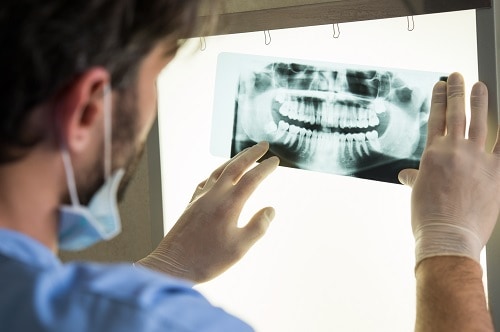
male dentist examines dental x-ray Dental x-rays are a vital diagnostic tool used to properly identify any underlying conditions that may not yet be visible on the surface. At our dental office in Holland, we perform dental x-rays only as often as necessary, which can vary from patient to patient depending on their oral needs and health history. We also understand our patients may have questions regarding dental x-rays, and we’d like to answer them so you can make the best informed decisions about your health.

Intraoral & Extraoral

Dental x-rays, or radiographs, are usually separated into two categories — intraoral and extraoral. Intraoral x-rays mainly focus on the details of the teeth themselves. While extraoral x-rays still showcase the teeth, the aim of these photos is to look at the bigger picture of the teeth within the jaw and skull.

A Closer Look at Intraoral X-Rays

We already know that intraoral x-rays focus on teeth. They’re also the most common types of x-rays and can help:

  • Find cavities
  • Check bone health around teeth
  • Detect gum disease

Bitewing x-rays are the most frequently used intraoral x-rays. They allow your dentist in Holland to see cavities in between teeth that aren’t yet visible on the surface. The images produced from bitewing x-rays also help keep an eye on the wear and tear of any dental restorations, such as a filling or an implant.

Explore Extraoral X-Rays

Extraoral x-rays are less detailed than intraoral images, but still serve a helpful purpose when it comes to looking at:

  • Impacted teeth
  • The jaw and teeth relationship
  • Growth and development

The most common extraoral x-rays are panoramic x-rays. These images show the entire set of teeth as well the jaws in one photo. Panoramic x-rays are great when looking at tooth development or wisdom teeth eruption and can help identify problems with the jaw (TMJ).

We recommend visiting our Holland dental office at least every six months. We may not perform x-rays at every appointment unless it’s necessary, but visits twice a year are recommended so we’re able to catch problems early, making them easier, and often less costly to treat.

Know The Signs of Oral Cancer

oral cancer risks Every year, April is recognized as Oral Cancer Awareness Month. At our dental office in Holland, we strive to keep our patients and our neighbors as healthy as possible, so we’d like to join in and help educate our community on the risks of oral cancer, how to identify it, and why it’s best to identify it as early as possible.

Fast Facts

  • About 49,000 Americans will be diagnosed with a type of oral cancer this year alone
  • Over 9,700 will die from oral cancer in 2017
  • Only an estimated 57% of those diagnosed this year will still be alive in 5 years
  • Patients who have beaten oral cancer once are up to 20 times more likely to develop another form of cancer

Early Diagnosis

One of the main reasons oral cancer is so deadly, and those numbers above are so scary, is that most of the time, oral cancer is caught too late and may have already spread to another part of the body. Unlike other types of cancer, there are no official timing guidelines for screening for oral cancer, like there are for, say, colon or breast cancer. This is one reason why we recommend seeing your dentist in Holland at least every six months for a thorough examination. If caught in its early stages, oral cancer can be treated successfully.

Signs & Symptoms

The difficult part to suspecting and diagnosing oral cancer is that its signs and symptoms can disguise themselves as other oral health problems that don’t seem like a big deal, only a minor annoyance. If you notice any of the signs below, call your dentist as soon as you can.

  • A sore or discoloration that doesn’t go away after two weeks
  • A lump inside the mouth or neck
  • Pain while swallowing, chewing, or speaking
  • Changes in voice
  • Chronic bad breath

Risk Factors

Understanding the risks that increase the chance of developing oral cancer can go a long way in helping to prevent it. While some risk factors are uncontrollable, there are some that you can control and avoid:

  • Men are twice as likely to develop oral cancer than women
  • Oral cancer typically develops in those over 40
  • About 80% of oral cancer patients are, or have been, tobacco users
  • Drinking alcohol heavily also increases your risk  

If you suspect you’re at risk for oral cancer or have additional questions, we welcome you to call our Holland dental office.

Now accepting new patients from Holland, Saugatuck, Zeeland and beyond. 

Trouble Getting Numb During Your Dental Visits?

getting numb Some of the treatments we offer at our dental office in Holland require us to administer an anesthetic to first numb the area prior to beginning the procedure. We do everything we can to keep the process easy, comfortable, and totally pain free so that you become nice and numb and don’t feel anything during treatment. However, sometimes we encounter patients that have more trouble getting numb than others. We’d like to explain a few possible reason as to why this happens.

Nerves on Fire!

Well, not literally on fire, but in the dental world we do refer to a really painful tooth as a ‘hot tooth’ since the pain feels like it’s on fire. In reality, it’s not actually the tooth that’s making it hurt so badly, it’s the nerves. When there’s a case of ‘hot tooth,’ nerves can become particularly difficult to numb for a few reasons. First, the nerves can be overly excited and even the smallest thing can send zingers of pain shooting. When in this excited state, nerves require more anesthetic than usual. The nerves can also develop additional pain receptors. More receptors means more anesthetic, more anesthetic means more difficulty getting numb.

Don’t Move!

We know we’re asking a lot — don’t move while we inject the anesthetic into your gums — but trust us, staying still makes the process easier and reduces the risk of needing to do it again. We promise to do everything we can help you relax and make the process as painless as possible. If you’re nervous, talk to us. We’re here to help.

The Head Bone is Connected to The…

Years of education and training has taught your Holland dentist exactly where to administer an injection to directly hit the nerve in order to achieve optimal numbness. Sounds great, right? Well, even though we’ve all got anatomy that’s pretty similar, it is just that — pretty similar. Meaning that not everyone is built the same way, and sometimes the nerve isn’t where we expect it to be. If we miss and you don’t get numb, we’ll have to try again.

If you’re new to the area and are looking for a dentist, we welcome you to call our Holland dental office to schedule a visit. At your first appointment, let us know if getting numb has been a struggle in the past and we’ll work with you find a solution that helps make getting the care you need comfortable.

Accepting new patients from Holland, Saugatuck, Zeeland and beyond. 

How to Handle Different Types of Dental Emergencies

dental emergency A dental emergency can happen any time, any where and can be anything from a chipped tooth, a toothache, a lost filling, or a tooth that’s totally knocked out. While nobody ever wants to experience a dental emergency, the truth is, they happen. When they do, you should be aware of some ways to handle some of the most common dental emergencies. That’s where our dental office in Holland comes in.

There’s Not a One-Size-Fits-All Solution to All Dental Emergencies

Not every dental emergency is handled the same way, but there is one thing that stays true to every type of dental problem — see your dentist in Holland as soon as you can. In the meantime, there are a variety of things you can do to help. Let’s examine several common dental emergencies and tips to try in case they happen to you.  

Dental Emergency: Broken/Chipped Tooth

How to Help It: Rinse your mouth and any tooth pieces with warm water to clean them. Save any pieces you happen to find. If you’re bleeding, apply pressure to the area with a piece of gauze until the bleeding stops. Remember, a mouth can bleed a lot, so be patient. To reduce swelling and minimize pain, apply a cold compress to the outside of the mouth.

Dental Emergency: Lost Filling

How to Help It: This emergency will require a dental visit rather quickly to fill in the hole that’s now in your tooth. If you can’t get to the dentist right away, you can buy dental cement at many drugstores that can fill in the space where the dental restoration used to be. A piece of sugarless gum can also help. Just make sure it’s sugar free — anything with sugar in it will hurt!

Dental Problem: Knocked Out Tooth

How to Help It: Promptness is key with this dental emergency as the best chance at saving a knocked out tooth is to get it back into the socket within the hour. The first step is to find the tooth. When and if you do, do NOT touch the roots! Handle your tooth only by the crown, or the white part that usually shows in your mouth. You can gently rinse it with warm water if it’s dirty, but try to put the tooth back in its socket as soon as you can. If that’s not an option, put the tooth in some milk or keep it under your tongue and get to the dentist ASAP.

Prevention is Key

While these tips can help provide some relief, the best way to avoid a dental problem in the first place is to maintain regular visits and dental cleanings at least twice a year. If it’s been awhile since you’ve been to a dentist, we welcome you to call our Holland dental office to schedule an appointment. We will work with you to make sure there aren’t any potential dangers just waiting to pop up when you least expect it.

Accepting patients from Holland, Saugatuck, Zeeland and beyond. 

These Reviews
Have Us Smiling!

Are you curious about what makes Huisman Family Dentistry stand out?

Don’t just take our word for it—check out the rave reviews from our happy patients!

Join Our Ranks of Happy Patients Today!