A Guide to Reducing Sugar Intake During the Holidays

The holiday season is a time of joy, family gatherings, and, let’s face it, indulging in delicious treats. While it’s perfectly normal to enjoy some festive sweets, it’s essential to be mindful of the impact excessive sugar can have on oral health. Your dentist in Holland knows that the holidays can be a challenging time for our teeth, with an increased risk of cavities and other dental issues. However, with a few thoughtful strategies, patients can learn how to enjoy the season while still protecting their smiles.

  1. Plan Healthy Alternatives

Prepare for the holiday season by having a variety of healthy snacks readily available. Instead of sugary candies and chocolates, offer fresh fruit platters, vegetable sticks with hummus, or cheese and whole-grain crackers. Healthy alternatives can be just as festive and satisfying, ensuring that you have nutritious options within arm’s reach.

  1. Be Mindful of Sugary Beverages

It’s not just the candies and desserts that contribute to increased sugar intake during the holidays; sugary beverages play a significant role as well. Instead of sugary sodas or fruit juices, opt for water instead. If you want to add a festive touch, infuse water with fruit slices or serve it in holiday-themed cups.

  1. Practice Moderation

Rather than imposing strict bans on sweets, focus on moderation instead. Allow yourself to enjoy a small treat occasionally, just don’t overdo it. Moderation helps reduce sugar intake which can protect oral health.

  1. Create Healthy Traditions

Transform holiday traditions into opportunities for healthy choices. Instead of a cookie decorating marathon, consider making a variety of fruit skewers or assembling yogurt parfaits together. Engaging in these activities can be just as enjoyable, and it promotes a positive association between the holidays and nutritious food.

  1. Prioritize Oral Hygiene

During the holidays, maintain a consistent oral hygiene routine to counterbalance any indulgences. Brush their teeth after consuming sugary treats or rinse your mouth out with water. Also, make sure to floss every day to remove any lingering food particles that could contribute to cavity formation.

  1. Schedule a Post-Holiday Dental Checkup

Consider scheduling a dental checkup with your dentist in Holland after the holidays. This proactive approach allows any potential dental issues to be identified and addressed early on. Regular dental visits are crucial for maintaining optimal oral health and preventing more significant problems down the road.

Reducing sugar intake during the holidays is about fostering a balanced approach to festive celebrations. By offering healthy alternatives, being mindful of sugary beverages, practicing moderation, creating healthy traditions, prioritizing oral hygiene, and scheduling post-holiday dental checkups, patients can ensure that they enjoy the season with smiles that remain bright and healthy well into the new year.
Why Does My Dentist Measure and Poke My Gums?

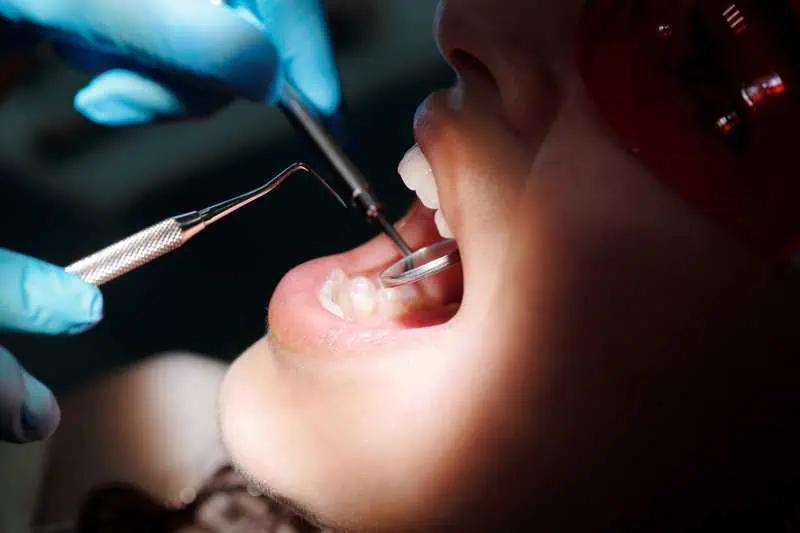
When you visit your dentist in Holland for a routine checkup, you might wonder why they diligently measure and probe your gum pockets. It may seem like an uncomfortable and mysterious process, but understanding the importance of these measurements can shed light on the crucial role they play in maintaining your oral health.

What are Gum Pockets?

Firstly, let’s talk about the term “gum pockets.” These are the spaces or crevices between your teeth and gums. Healthy gums typically fit snugly around the teeth, forming shallow pockets. However, when there’s inflammation or gum disease, these pockets can deepen, providing a breeding ground for bacteria.

Measuring Gum Pockets

During checkups, dentists will use a small tool called a periodontal probe to measure your gum pockets. This tiny instrument is gently inserted between the tooth and the gum, providing precise measurements in millimeters. The process may be minorly uncomfortable, but it’s an invaluable tool in assessing your oral health.

Why Do Dentists Measure Gum Pockets?

One of the primary reasons your dentist in Holland will measure your gum pockets is to evaluate the health of your gums and identify signs of periodontal disease. Periodontal disease, commonly known as gum disease, is a bacterial infection that affects the supporting structures of the teeth, including the gums and bone. By measuring the depth of the gum pockets, your dentist can determine if there’s any abnormal enlargement, indicating potential gum disease.

The depth of the pockets is indicative of the degree of inflammation and, consequently, the severity of gum disease. 

  • Shallow pockets (usually 1-3mm) are considered healthy 
  • Deeper pockets (4mm or more) may suggest the presence of gum disease.

Monitoring changes in pocket depth over time helps your dentist track the progression of the disease and tailor a treatment plan accordingly.

Beyond diagnosing gum disease, measuring gum pockets is crucial for assessing the risk of other oral health issues. Deep pockets can lead to the accumulation of plaque and tartar, providing a hiding place for harmful bacteria. If left untreated, these bacteria can cause infection, leading to the destruction of the supporting structures of the teeth. Regular measurements allow your dentist in Holland to catch potential issues early on and intervene before they escalate.

Another critical aspect of measuring gum pockets is to evaluate the success of any ongoing periodontal treatments. If you’ve undergone treatments for gum disease, your dentist will monitor the response by measuring pocket depths. Improvements in pocket depth indicate that the treatment is effective, while increased depths may suggest a need for adjustments in the treatment plan.

Apart from measuring, your dentist may also gently probe the gums to check for bleeding. Bleeding during probing is a sign of inflammation and may indicate the presence of gingivitis, the early stage of gum disease. Identifying these signs early allows for prompt intervention and the implementation of preventive measures to halt the progression of the disease.

Basically, the process of measuring and probing your gum pockets during a dental checkup serves as a preventive and diagnostic tool. It enables your dentist to assess the health of your gums, detect early signs of periodontal disease, and tailor a personalized treatment plan to ensure the longevity of your smile.

So, the next time you’re in the dentist’s chair and the periodontal probe makes its appearance, remember that this routine measurement is not just a minor discomfort – it’s a proactive step in safeguarding your oral health and preserving your radiant smile for years to come.

4 Oral Health Things To Keep In Mind As We Age

As we journey through life, we all hope to maintain our radiant smiles and strong teeth. But the reality is that oral health can change as we age, and more often than not, we need extra support from our trusted dentist in Holland to keep our smiles in tip-top shape. So let’s explore some essential considerations for maintaining your oral health as you age, helping you make the most of your dental visits while safeguarding your overall well-being.

Gum Disease: A Common Concern for Seniors

One of the critical issues to keep in mind as we age is the increased prevalence of gum disease among seniors. Gum disease, also known as periodontal disease, is a bacterial infection that can lead to severe health complications. It starts with inflammation in the gums and can progress to affect various parts of your mouth and face. In some cases, the infection may even spread to other tissues or organs, triggering additional health problems. The elderly are at a higher risk for gum disease due to several factors.

First, as we age, our immune systems tend to weaken, making it more challenging to fight off infections, including gum disease. Second, seniors may be less diligent in their oral hygiene habits, which can contribute to the development of gum disease. To mitigate these risks, it’s crucial for elderly family members and friends to schedule regular dental appointments with their dentist in Holland. Visiting the dentist twice a year for a thorough cleaning and examination can help detect and address any signs of gum disease early, preventing more severe complications down the road.

  • Increased Risk of Tooth and Jaw Fractures

Aging is often accompanied by a decline in bone density, making seniors more susceptible to fractures, not only in their arms, legs, and hips but also in their teeth and jaws. This is a particularly important consideration as tooth and jaw fractures can have serious consequences. For many seniors, tooth loss is a common occurrence, often due to the shrinking of jawbones and other factors. When seniors are unable to bite correctly and don’t wear dentures as prescribed, their risk of experiencing a fracture increases significantly.

Fractures in the teeth or jaw can expose the affected areas to harmful bacteria, potentially leading to infections. These infections can spread rapidly and put pressure on nearby nerves, resulting in excruciating pain and discomfort. For seniors, this type of infection is especially risky as their immune systems may already be compromised by other age-related conditions, such as diabetes or heart disease. To reduce the risk of tooth and jaw fractures, it’s vital for seniors to consult their dentist for regular checkups and guidance on maintaining healthy teeth and jaws.

  • The Link Between Oral Health and Whole-Body Health

It’s a common misconception that oral health is entirely unrelated to overall health. However, research suggests that the two are interconnected, with evidence pointing to a potential link between gum disease and systemic health issues. Studies have shown that gum disease may be associated with atherosclerosis in large arteries, increasing the risk of cardiovascular events such as heart attacks and strokes. This underscores the importance of regular dental checkups for seniors, as these visits can help monitor teeth for signs of decay or gum disease.

Without regular dental checkups, gum disease can progress silently, causing irreversible damage. Early detection and treatment are essential to prevent tooth loss and other dental or whole-body complications. Therefore, visiting your dentist in Holland at least twice a year becomes even more important, as it can help ensure your oral health is closely monitored and any issues are addressed promptly.

  • The Impact of Missing Teeth on Overall Health

While not every senior will lose their teeth, it’s a relatively common occurrence. In fact, statistics show that among people aged 65 and older, 51 percent of men and 66 percent of women have lost all of their teeth. The absence of teeth can have far-reaching implications on both oral and overall health.

Seniors who are missing teeth often experience a diminished sense of taste, which can affect their enjoyment of food. Additionally, they face an increased risk of pneumonia, as the absence of teeth may make it more challenging to manage saliva and prevent aspiration of bacteria into the lungs. Furthermore, seniors with missing teeth are at a greater risk of choking on solid foods. To mitigate these concerns, there are solutions available, such as dentures, dental implants, and implant-retained dentures, which can help replace missing teeth and support overall health.

As we age, our oral health may require more attention and care. Regular dental visits with your dentist are essential for maintaining a healthy smile and safeguarding your overall well-being. By addressing issues like gum disease, the risk of tooth and jaw fractures, and missing teeth early, you can enjoy a vibrant smile and a healthier, more comfortable life as you age. Remember, oral health is intrinsically linked to your overall health, and nurturing both is key to a fulfilling and vibrant life in your golden years.

5 Tips to Overcome Dental Anxiety

Dental fear or anxiety is a common issue that affects millions of people worldwide. The fear of dental procedures can prevent individuals from seeking essential oral care, leading to deteriorating dental health which can even affect overall health. However, overcoming dental anxiety is possible with the right strategies, support, and dentist in Holland. Here are five practical tips to help you conquer your dental fears and maintain good oral health.

  • Find a Gentle, Compassionate Dentist

Taking the time to research all the dentists you have to choose from can be well worth your time, especially if you have dental anxiety. Look for a dentist in Holland who’s known for compassionate care – read reviews, check out websites, and ask around for recommendations. Finding a dentist who understands your fears, is willing to work with you, and understands how to treat anxious patients can make a world of difference in your comfort level.

  • Talk About Your Concerns

Once you find a dentist you feel comfortable with, make sure to talk with them about your concerns, fears, and anxieties. Don’t hesitate to share past negative experiences or triggers with them. After all, the more your dentist knows, the better care they can provide in a stress free way. Additionally, always feel free to ask questions about what you should expect. 

  • Start Small

If you haven’t been to the dentist in a while due to dental anxiety, consider starting with a simple, non-invasive check-up and cleaning. Gradual exposure to dental procedures can help desensitize your anxiety over time. Once you build trust and confidence, you can move on to more complex treatments.

  • Find Ways to Relax or Distract

Relaxation techniques such as deep breathing or meditation, or using distractions like listening to music practicing guided imagery can help calm your nerves and reduce anxiety during the dental procedure. You can also consider having a trusted friend or family member accompany you to your dental appointment can provide emotional support and reassurance. They can hold your hand, offer comfort, and further help distract you from your anxiety.

  • Ask About Sedation Dentistry

Sedation dentistry is an option for individuals with severe dental anxiety. Various levels of sedation, from mild to deep, can be administered depending on your needs. Discuss this option with your dentist in Holland to determine if it’s suitable for you.

Dental anxiety is a common but manageable condition. By following these tips and seeking the support of a caring dentist, you can conquer your fears and maintain optimal oral health. Remember, taking small steps and being proactive in your dental care, such as brushing and flossing your teeth every day, will ultimately lead to a healthier, happier smile. Don’t let anxiety stand in the way of your well-being; take charge of your dental health today.

If anxiety makes dental visits hard, read about sedation dentistry at Huisman Family Dentistry and how it can help you relax during treatment.

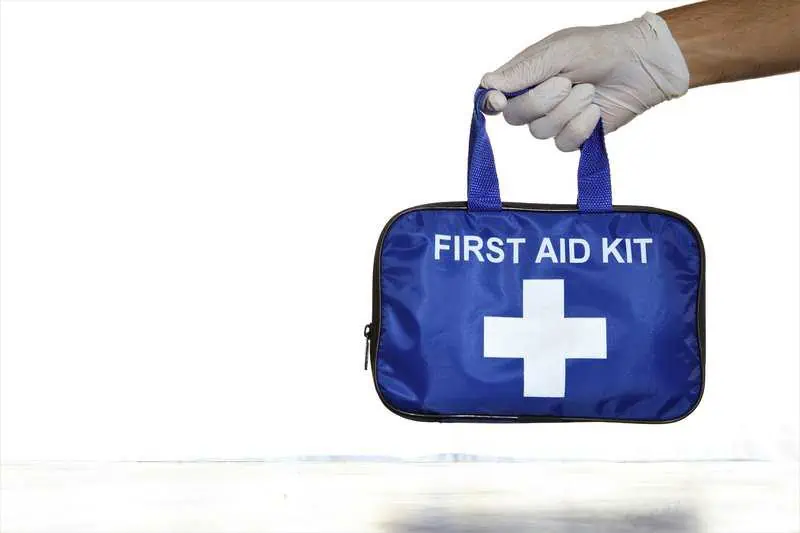
Be Prepared for Dental Emergencies with a Dental First Aid Kit

When it comes to first aid, most people think of being able to provide care for cuts, bruises, and broken bones. However, it’s equally important to be prepared to care for dental emergencies. A dental first aid kit can be a lifesaver (or rather, a tooth-saver) in times of oral distress before you can reach your dentist in Holland. Having a dental first aid kit in your home or car can provide quick relief and potentially save your teeth from further damage. In this blog, we’ll explore why having a dental first aid kit is crucial and what essential items you should include in it.

Why You Need a Dental First Aid Kit

Dental emergencies can strike at any time and often catch us off guard. From a sudden toothache to a chipped tooth, the pain and discomfort can be overwhelming. Having a dental first aid kit ready can prepare you for the unexpected, and the items inside can help in various ways. 

  • Pain Relief – A toothache can be excruciating, and seeing your dentist in Holland right away might not always be an option. A dental first aid kit can provide temporary relief from pain and discomfort until professional help is available.
  • Prevent Infections – Dental injuries can expose the inner layers of teeth, making them vulnerable to infection. Including items like antiseptic mouthwash and sterile gauze in your kit can help prevent infections while you wait to see a dentist.
  • Minimize Damage – In case of a chipped or broken tooth, quick action can sometimes prevent further damage. With the right tools in your dental first aid kit, you might be able to stabilize the tooth and preserve it until you can get professional treatment.
  • Provide a Temporary Fix – While a dental first aid kit is no substitute for professional dental care, it can provide temporary fixes to manage the situation until you can see a dentist. This can be especially valuable if you’re in a remote location or during after-hours.

Essential Items for Your Dental First Aid Kit

Now that you understand the importance of a dental first aid kit, let’s delve into what items you should include so you’re ready for anything. 

  • Gauze Pads are essential for stopping bleeding and covering wounds.
  • Dental Wax can cover the sharp edges of a broken orthodontic wire or a chipped tooth to prevent irritation.
  • Cotton Balls can be used to apply antiseptic or create a barrier between teeth.
  • Temporary Filling Material to help cover a cavity or lost filling and provide relief from pain until you see a dentist.
  • Dental Floss for dislodging food particles or debris stuck between teeth, which can cause discomfort.
  • Over-the-counter Pain Relievers can help manage pain until you can get professional care.
  • Dental Mirror to help you see areas in your mouth that are difficult to view otherwise.
  • Saline Solution to hygienically rinse your mouth to remove debris and soothe irritation.
  • Disposable Gloves for maintaining hygiene and preventing the spread of infection.
  • Emergency Dental Information such as contact details for your dentist in Holland and any relevant medical information.

Remember, a dental first aid kit is not a replacement for professional dental care. It’s a temporary solution to manage oral emergencies until you can see a dentist. Regular dental check-ups and good oral hygiene practices remain the best ways to prevent dental emergencies in the first place.

How Good Oral Health May Help Protect Against Alzheimer’s

Maintaining good oral health by brushing, flossing, and seeing your dentist in Holland has long been associated with benefits such as a bright smile and fresh breath. However, researchers have been uncovering an even bigger reason to take care of your teeth. Studies continually show a potential connection between oral health and overall well-being, particularly in relation to cognitive health. A growing body of evidence suggests that there might be a link between good oral hygiene and a reduced risk of developing Alzheimer’s disease, a debilitating neurodegenerative disorder. Let’s take a look at how taking care of your teeth and gums might play a role in safeguarding your brain health.

The Oral-Brain Connection

The mouth serves as the gateway to the body, and its health can impact various aspects of overall health, so it’s not surprising that the oral-brain connection has caught the attention of scientists. Poor oral hygiene can lead to the accumulation of harmful bacteria in the mouth, causing gum disease and other oral infections. Interestingly, these oral pathogens don’t just stay confined to the mouth – they can find their way into the bloodstream and potentially reach the brain.

Inflammation and Alzheimer’s

One of the key factors linking oral health and Alzheimer’s disease is inflammation. Chronic inflammation is believed to contribute to the development and progression of various diseases, including Alzheimer’s. Gum disease triggers an inflammatory response in the body, and if left untreated, this inflammation can spread to other parts of the body, including the brain.

Research has shown that the presence of specific oral bacteria associated with gum disease can be detected in the brains of individuals with Alzheimer’s disease. These bacteria might contribute to the formation of beta-amyloid plaques, a hallmark of Alzheimer’s, by activating the immune system and promoting inflammation in the brain. Therefore, maintaining good oral health could potentially help reduce the risk of chronic inflammation and its potential impact on brain health.

The Blood-Brain Barrier

The blood-brain barrier is a protective network of blood vessels that acts as a barrier between the bloodstream and the brain. It prevents harmful substances from entering the brain while allowing essential nutrients to pass through. However, certain infections and inflammatory responses can compromise the integrity of this barrier, potentially allowing harmful agents to reach the brain.

Oral bacteria associated with gum disease can release toxins that may weaken the blood-brain barrier. This weakening can make it easier for harmful substances to enter the brain, triggering an immune response that contributes to inflammation and damage. By maintaining good oral health, you might be able to reduce the risk of these oral bacteria infiltrating the brain and compromising the blood-brain barrier’s function.

Preventive Strategies

While research into the link between oral health and Alzheimer’s is still ongoing, there are several steps you can take to prioritize your oral hygiene and potentially support your cognitive health:

Brush & Floss Regularly: The foundation of good oral hygiene lies in regular brushing and flossing. Brush your teeth at least twice a day with fluoride toothpaste and don’t forget to floss to remove food particles and plaque from between your teeth.

Visit Your Dentist in Holland: Regular dental check-ups are essential for detecting and addressing any oral health issues early on. Your dentist can help you maintain healthy gums and catch any signs of gum disease.

Eat A Balanced Diet: A diet rich in fruits, vegetables, lean proteins, and whole grains can contribute to both oral and overall health. Avoid sugary snacks and beverages that can promote tooth decay.

Stay Hydrated: Drinking water helps wash away food particles and bacteria that can lead to plaque formation.

Avoid Smoking & Excessive Alcohol: Smoking and heavy alcohol consumption are linked to increased risk of gum disease and can have negative effects on oral health.

The connection between oral health and cognitive health is an exciting area of research that holds promise for our understanding of neurodegenerative diseases like Alzheimer’s. While more studies are needed to establish a definitive link between good oral hygiene and reduced Alzheimer’s risk, the existing evidence suggests that prioritizing oral health might have more far-reaching benefits than we previously imagined. By taking care of your teeth and gums, you could potentially be taking a proactive step towards protecting your brain health in the long run. So, don’t underestimate the power of a healthy smile or the importance of visits to your dentist in Holland – they could be a window to a healthier brain.

How To Handle Dental Emergencies

Dental emergencies can occur unexpectedly, causing pain, discomfort, and anxiety. Knowing how to handle these situations promptly and effectively is crucial to minimize pain, prevent further damage, and ensure timely care. In this comprehensive guide, your dentist in Holland explores common dental emergencies and provides step-by-step instructions on how to handle them.

Contact Your Dentist

Different types of dental emergencies require different kinds of care, so it’s important to contact your dentist in Holland quickly if you experience a dental emergency so they can diagnose and properly treat your specific needs. While there are steps you can take to help reduce the risk of additional damage and temporarily relieve discomfort, you should always let your dentist know if you have a dental emergency. 

Toothaches

Toothaches can pop up out of nowhere and can cause mild discomfort or even excruciating pain. Here’s what you can do:

  • Rinse your mouth with warm saltwater to alleviate pain and reduce inflammation.
  • Gently floss around the affected tooth to remove any trapped food particles that may be causing the pain.
  • Take over-the-counter pain relievers as directed, but avoid placing aspirin directly on the tooth or gums.
  • Apply a cotton ball soaked with clove oil to the area. Clove oil contains a natural anesthetic and antibacterial that helps reduce inflammation.

Knocked-Out Tooth

If a tooth gets knocked out, immediate action is crucial for the best chance of saving it:

  • Handle the tooth by the crown (the top part) and avoid touching the root.
  • Rinse the tooth gently with water if it’s dirty, but do not scrub or remove any attached tissues.
  • Try to reinsert the tooth into its socket, making sure it’s facing the correct way. Apply gentle pressure to hold it in place.
  • If you cannot reinsert the tooth, place it in a container of milk or saliva and seek dental assistance immediately. Time is of the essence when it comes to saving a knocked-out tooth.

Broken or Chipped Tooth

If you break or chip a tooth, follow these steps:

  • Rinse your mouth with warm water to clean the area.
  • Save any broken pieces of the tooth.
  • If there’s bleeding, apply gentle pressure with a clean gauze or cloth.
  • Your dentist in Holland will evaluate the extent of the damage and recommend the appropriate treatment, which may include dental bonding, a crown, or other restorative dentistry options.

Lost Filling or Crown

Losing a filling or crown can be uncomfortable, but temporary solutions are available:

  • Clean the affected tooth and apply dental cement or temporary dental filling material, available at most pharmacies.
  • Avoid chewing on the affected side until you can see your dentist for a permanent solution.

Soft Tissue Injuries

Injuries to the lips, gums, cheeks, or tongue can result in bleeding and discomfort. Here’s what to do:

  • Rinse your mouth with warm saltwater to clean the area.
  • Apply gentle pressure with a clean gauze or cloth to control bleeding.
  • If bleeding persists or the injury is severe, seek immediate medical attention or visit the emergency room.

Handling dental emergencies requires prompt action and appropriate care. By following the steps outlined in this comprehensive guide, you can effectively manage dental emergencies. However, it’s essential to remember that these steps are temporary measures, and seeking professional dental care from your dentist as soon as possible is crucial for proper diagnosis and treatment.

What Happens If You Don’t Wear a Mouthguard?

Engaging in physical activities without the proper protective gear can have serious consequences. When many people think of protective gear, they often think of things like helmets or shin guards. But one area that’s often overlooked, and one that’s important to your dentist in Holland, is the use of mouthguards. However, if you don’t wear a mouthguard during activities that pose a risk of dental injuries, it can increase the risk of long-term damage to your teeth, jaw, and overall oral health.

Dental Injuries & Trauma

One of the most common consequences of not wearing a mouthguard is an increased risk of dental injuries. Activities such as contact sports or recreational hobbies can lead to direct impacts on the mouth, causing broken or chipped teeth, tooth loss, and damage to the soft tissues in the oral cavity. These injuries not only require immediate dental attention but can also lead to long-term dental problems and the need for extensive dental treatments.

Jaw Fractures & TMJ Disorders

The absence of a mouthguard puts the jaw at greater risk of fractures and dislocations. With a mouthguard, the force of any strong impact on the jaw during physical activities would be absorbed by the mouthguard. Without that protection, blows to the jaw can result in severe injuries, leading to pain, difficulty in opening and closing the mouth, and TMJ disorders. These conditions can cause chronic discomfort, limited jaw movement, and problems with eating, speaking, and overall quality of life.

Tooth Movement & Root Damage

Without the protection of a mouthguard, teeth are vulnerable to being moved out of their original positions, changing their appearance. Impacts on the mouth can cause teeth to shift, rotate, or even be pushed into the jawbone. Additionally, the force from an impact can damage the tooth roots, leading to root fractures, nerve damage, and potential tooth loss. Restorative dentistry treatment such as root canals, dental implants, or orthodontic procedures from your dentist in Holland may be necessary to repair the damage caused by tooth displacement and root injuries.

Increased Risk of Concussions

Even though the primary purpose of mouthguards is to protect the teeth, they can also help reduce the risk of concussions. The cushioning effect of a mouthguard can absorb some of the impact forces, reducing the transmission of those forces to the head and potentially minimizing the risk of brain injuries. Without this protective barrier, the likelihood of sustaining a concussion increases, which can have both serious short-term and long-term consequences.

Choosing not to wear a mouthguard during physical activities can lead to severe consequences for your oral health and overall health. To protect your smile and safeguard your future, wear a properly fitted mouthguard during any activity that poses a risk to your oral health. 

Why Are Regular Teeth Cleanings Important?

You’ve heard your dentist in Holland say time and time again just how important regular teeth cleanings are to maintaining good oral health. It’s true! Routine dental checkups and cleanings are critical to preventing dental problems, catching any problems early when they’re easier to treat, and maintaining overall health. 

Decay & Gum Disease

Firstly, regular teeth cleanings help prevent tooth decay and gum disease, which are two of the most common dental problems. Plaque buildup is the leading cause of tooth decay and gum disease, and unfortunately, it can be difficult to remove through brushing and flossing alone. Professional teeth cleanings with your dentist in Holland remove plaque and tartar buildup, significantly reducing the risk of dental problems. By attending regular teeth cleanings, you can prevent cavities, tooth loss, and gum disease, saving you money and time in the long run.

Oral Health is Linked to Overall Health

Additionally, regular teeth cleanings can also prevent other health problems. Recent studies have shown that oral health is connected to overall health, and poor dental hygiene can lead to serious health issues such as heart disease, stroke, and diabetes. By keeping up with regular teeth cleanings, you are not only taking care of your oral health but also contributing to your overall well-being. 

More Than a Cleaning

It’s important to remember that dental cleanings are not just about cleaning your teeth. During your visit, your dentist in Holland will also conduct oral cancer screenings, check for signs of other dental problems such as gingivitis and periodontitis, and provide you with personalized advice on how to maintain optimal oral health. By attending regular teeth cleanings, you can catch potential dental problems early and take preventative action, improving your overall health.

Even patients with the most diligent at-home dental care routine need to see their dentist at least every six months because plaque can still build up in hard-to-reach areas of your mouth. Only professional teeth cleanings can thoroughly remove plaque and tartar buildup, helping you avoid costly and painful dental problems. 

By attending regular teeth cleanings at our practice, you can enjoy a brighter, healthier smile and peace of mind knowing that you are taking the necessary steps to protect your oral and overall health.

5 Things That Can Harm Teeth

If you’re following an excellent oral health routine of brushing and flossing every day and seeing your dentist in Holland twice a year but still find yourself getting cavities, having tooth sensitivity, or needing dental restorations to help fix damaged teeth, other things may be to blame. The truth is, there are habits that many people do every day that can harm teeth.

  • Chewing Ice, Nails, and Other Things

Many people find comfort in chewing ice, biting their nails, or nibbling on other things such as pens or pencils. However, gnawing on these comfort items can cause some serious oral health problems. Chewing on ice, biting your nails, or gnawing on pens can lead to broken or chipped teeth that will need to be fixed by your dentist in Holland. But these habits can also create tiny tooth fractures over time that you may not notice, until they turn into big cracks and potentially cause pain. Additionally, nail biting could also cause teeth to shift or place pressure on the jaw, causing pain.

  • Opening or Holding Packages with Your Teeth

Teeth were designed for two reasons – to help us chew and to help us speak. They were not designed to open pesky packages or hold things that don’t fit into our hands. Using teeth for things other than what they’re meant to do could damage teeth. Some common problems associated with using teeth as tools are broken teeth, cracked teeth, broken restoration, or trauma to the soft tissues in the mouth.

  • Using Too Much Force While Brushing

A common misconception is that you have to brush hard in order to really clean your teeth. However, the truth is, if you use too much force while brushing your teeth, you could actually cause harm. Brushing your teeth too hard could lead to an increased risk of decay, damage, and sensitivity. Always choose a toothbrush with soft bristles and gently move the brush over each tooth. 

  • Clenching or Grinding Your Teeth

Many people clench or grind their teeth in times of stress. This habit is often done subconsciously and we don’t even know we’re doing it. But there may be signs that you’re clenching or grinding your teeth, perhaps while you’re asleep. Consistent grinding or clenching can make teeth appear short and worn down. It can also cause tooth damage such as chips, breaks, or cracks. One of the most common signs of clenching or grinding is jaw pain, so make sure to mention any symptoms of TMJ to your dentist in Holland.

  • Smoking or Using Chewing Tobacco

Tobacco use not only affects overall health, it can also negatively affect oral health. On the surface, smoking cigarettes or cigars or using chewing tobacco can cause tooth discoloration. But the concerns go much deeper. Using any type of tobacco can increase the risk of tooth decay, gum disease, tooth loss, and oral cancer.

We will always encourage our patients to brush and floss every day to help keep their mouths healthy. We also encourage our patients to be honest with us about any habits that may affect oral health. Afterall, it will only help us provide better, more personalized care. 

These Reviews
Have Us Smiling!

Are you curious about what makes Huisman Family Dentistry stand out?

Don’t just take our word for it—check out the rave reviews from our happy patients!

Join Our Ranks of Happy Patients Today!